From Shore to Water:
A Beginner’s Guide to Paddleboarding

By Lynn
Oct 18, 2026
t three in the afternoon, the sun was still high, and the Jinhu lake shone bright. The wind came in gusts, rustling the feathery fronds of a few silver date palms by the shore. I stood on the shore and watched the coach unroll the board and hook up the pump; the hum sounded like a countdown.
I stepped on. The board lurched, and I froze, clutching the shore and not daring to let go. When I finally paddled out, I only spun in place like a washing machine.
Then the wind picked up. I tried desperately to paddle back, but the harder I tried, the farther I drifted. Only when I learned to go with the wind and cut across at an angle did I gradually make my way toward the middle of the lake.
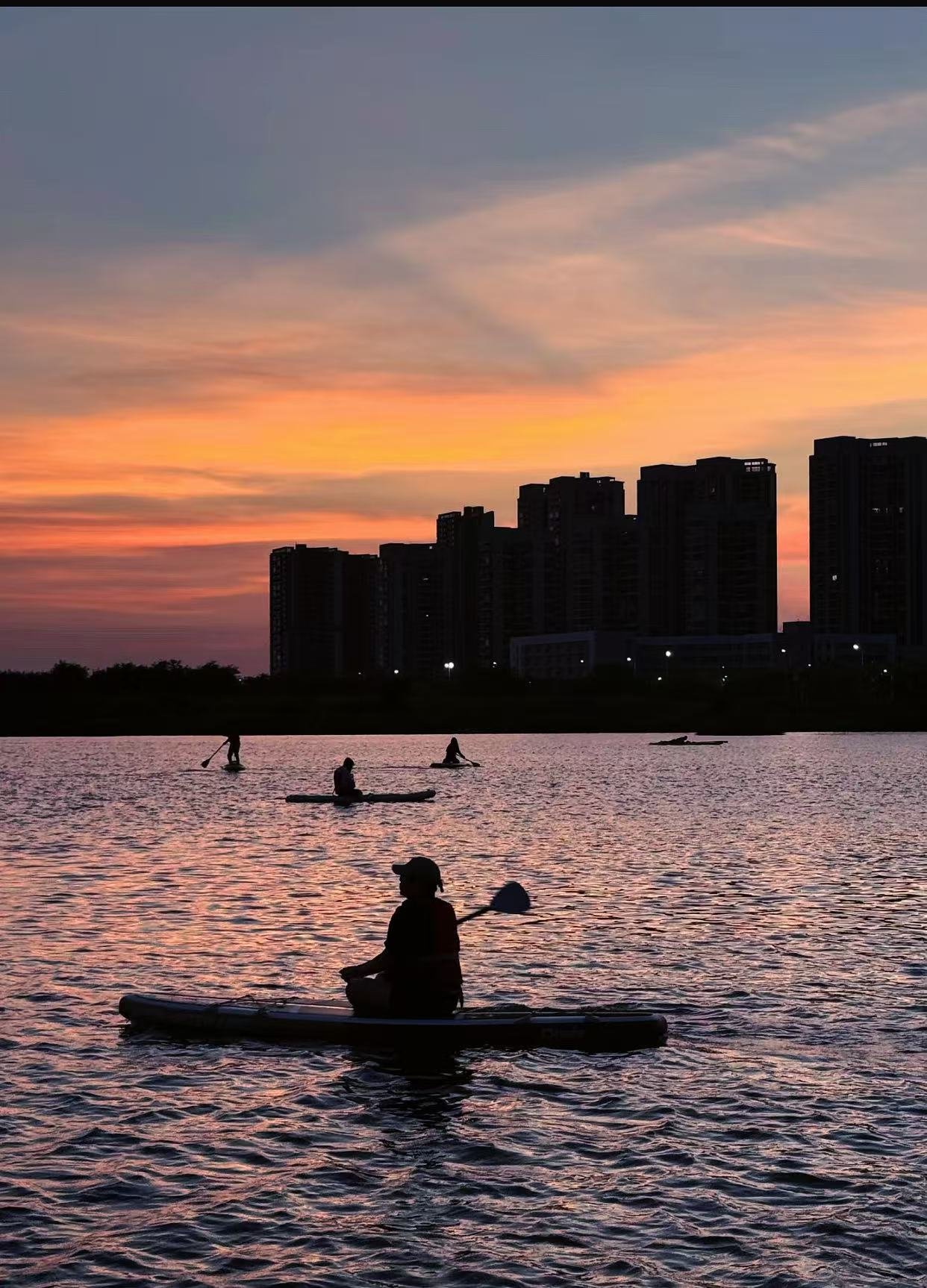
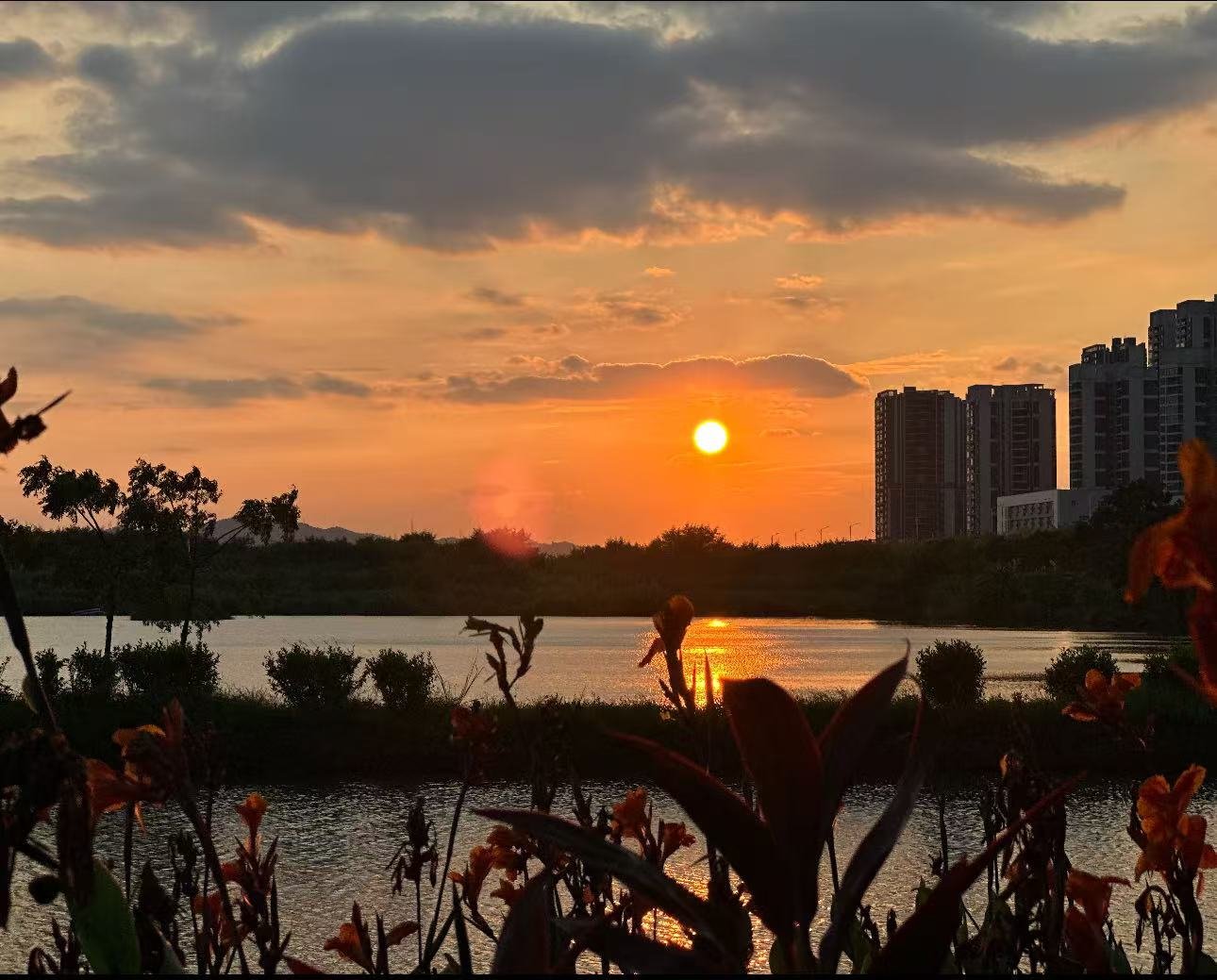
By the time I steadied myself, the sun had begun to sink in the west, and it was nearly dusk. The lake was stained a flowing gold-red. And just like that, I drifted into the sunset at the heart of the lake.


















1. Why did I choose to try this sport?
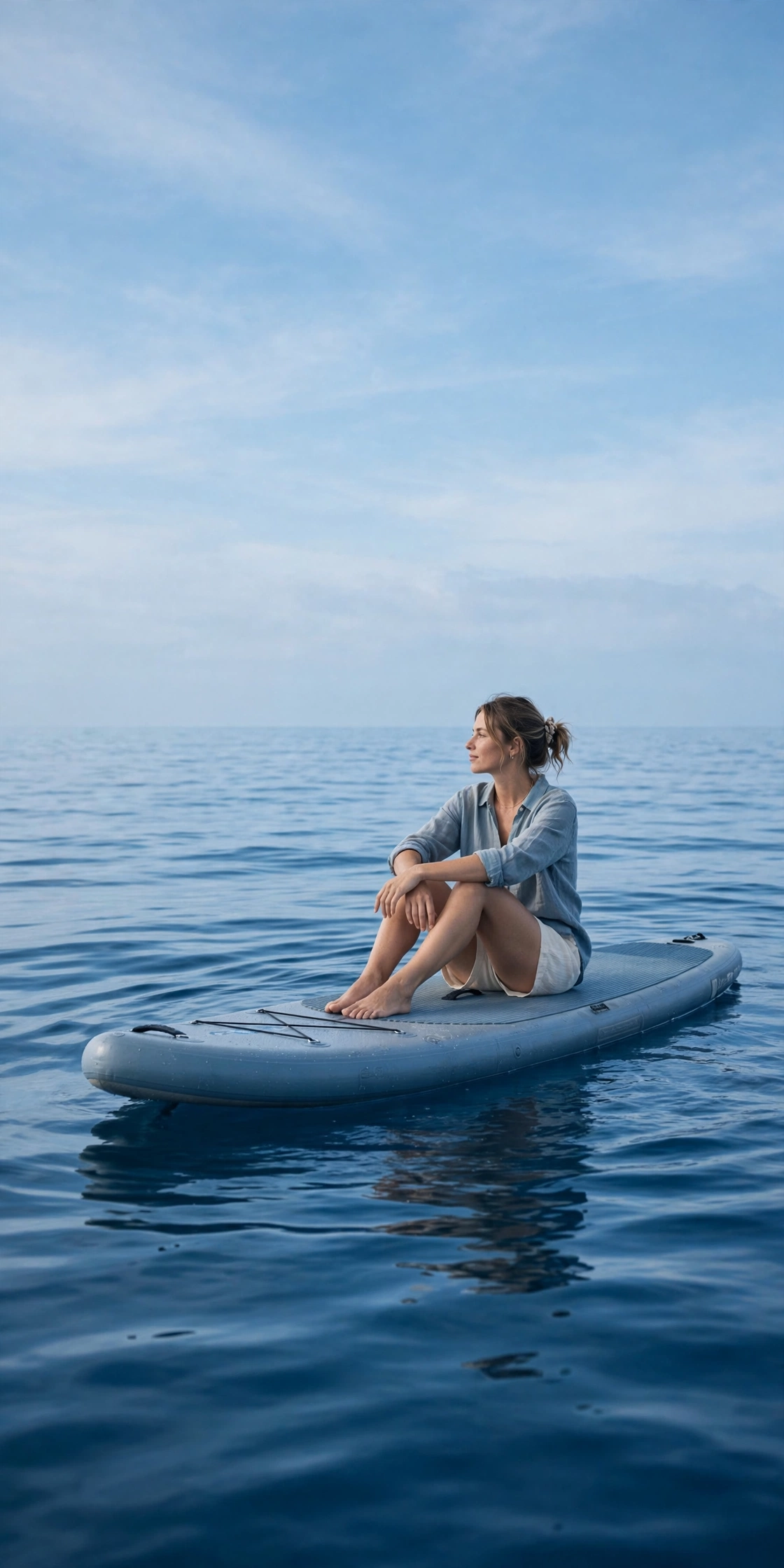

There are countless types of scenery, yet due to the nature of water bodies, waterscapes are often viewed only from a distance.
Such distant views lack the immersive quality of being right on the water. However, common ways to experience the water up close—such as boating, swimming, or surfing—all have drawbacks: boats create a physical barrier, while swimming and surfing require higher skills and carry higher risks.
Paddleboarding strikes the perfect balance: it is safer1, offers freedom of movement and excellent visibility, and allows me to paddle and practice balance myself, making it an ideal choice for a first-time water sport experience.
Beginner’s Guide
Whether or not you have specific needs like this, if you’re interested in paddleboarding,
Congratulations!
you’ve come to the right place!
2. What exactly is paddleboarding?
Paddleboarding is a water sport propelled by a single paddle, where riders glide across the water while maintaining balance on a board.
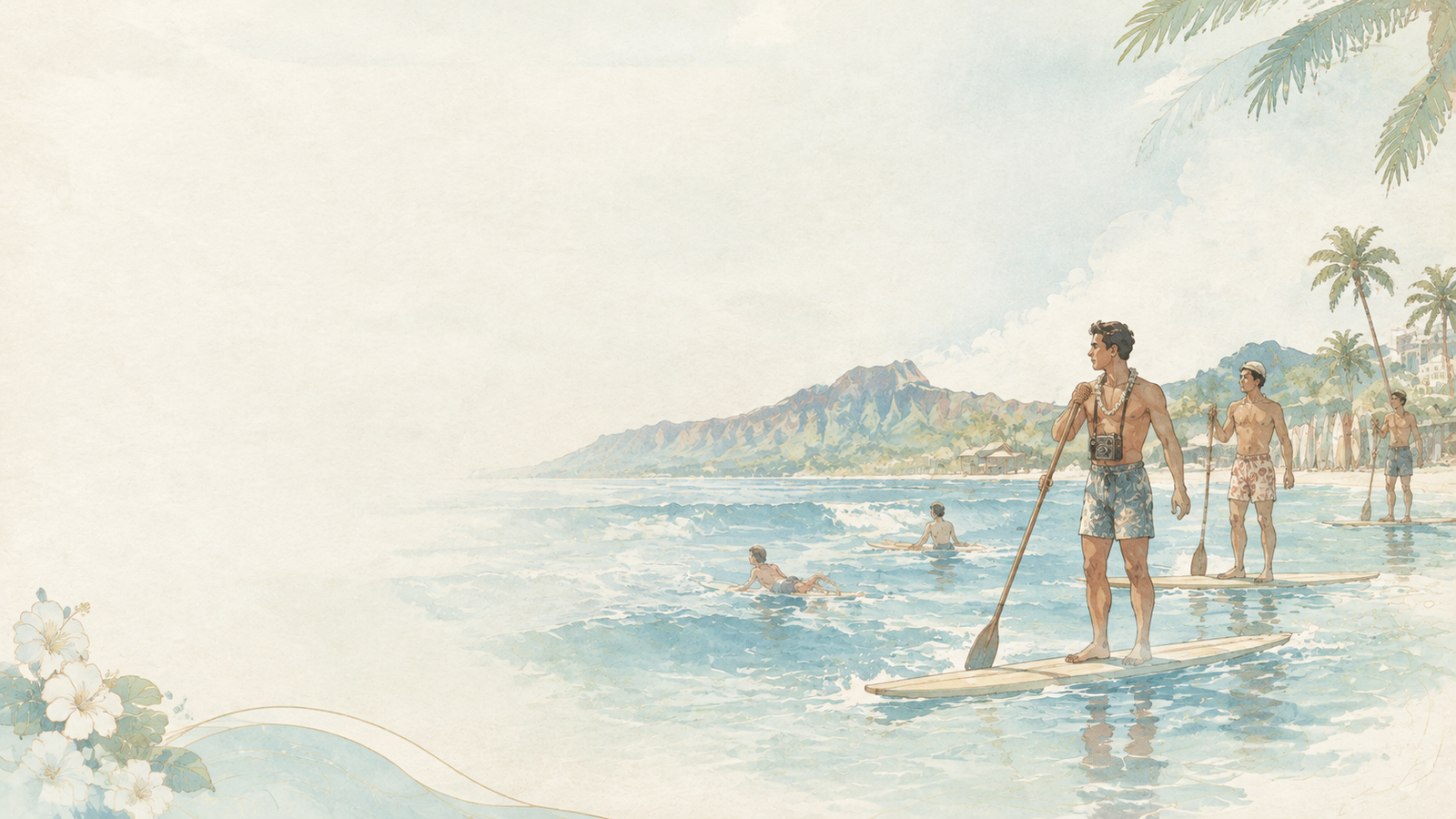
It first emerged on Waikiki Beach, Hawaii, in the mid-20th century. According to a report by INDEPENDENT, the gentle, mellow surf just off Waikiki’s shores draws throngs of tourists learning to surf year-round, which spawned a cohort of instructors whose livelihoods centered on teaching surfing and supervising visitors. To spot their students far out among the rolling swells and capture photos of them, these instructors stood atop elongated surfboards and navigated the water with a paddle.

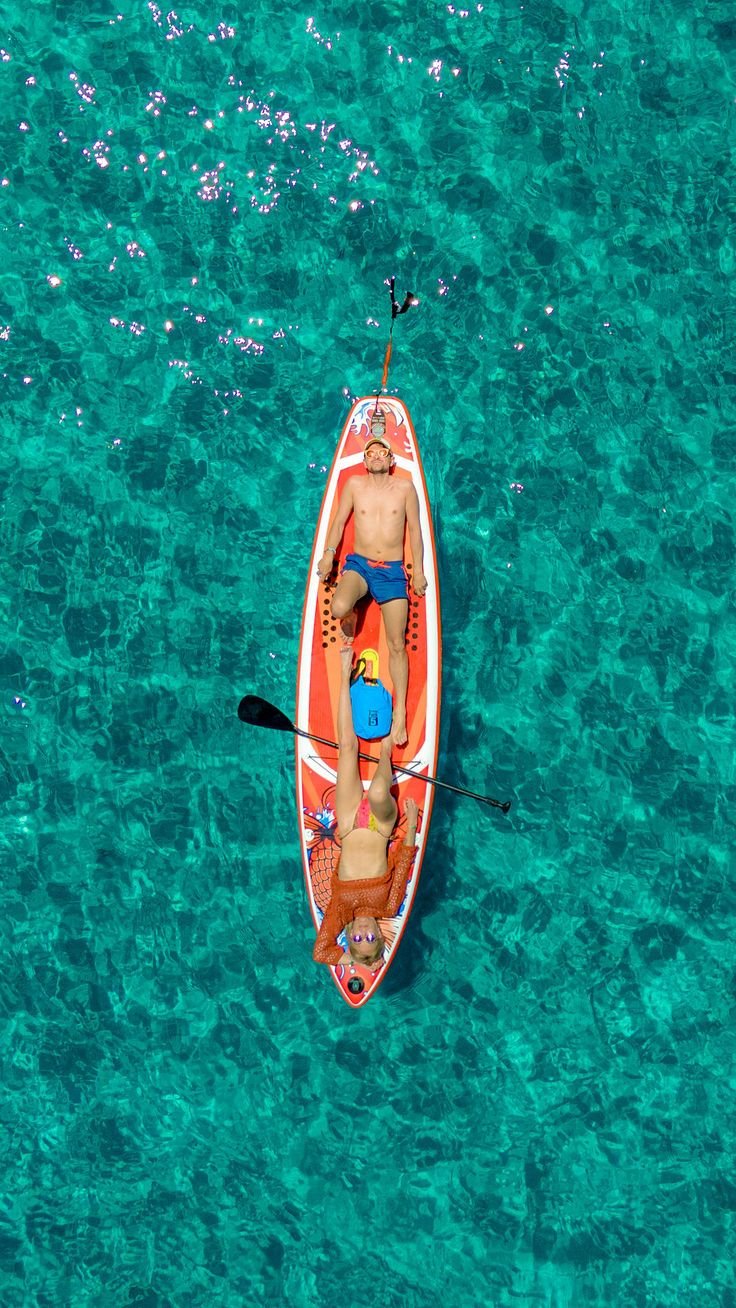
For this reason, paddleboarding was originally practiced exclusively from a standing position, hence its early formal name: Stand Up Paddleboarding, commonly abbreviated as SUP. Decades of evolution have since expanded the sport far beyond its standing-only roots. According to Wikipedia, today, riders can kneel, sit, lie prone, or take up other positions on the board, and a rich variety of disciplines have emerged, including racing, touring, yoga, fishing, and whitewater paddleboarding.


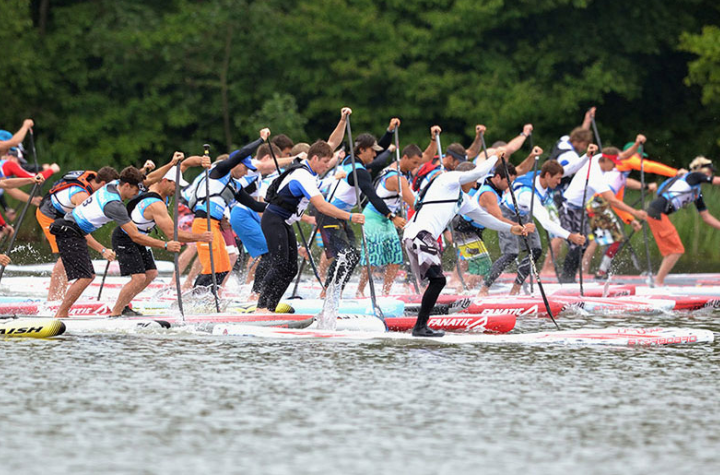
The development of paddleboarding is thanks to three forces
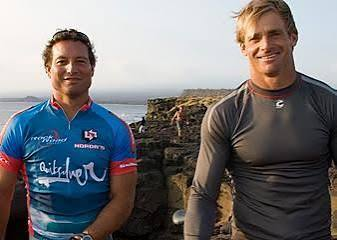
According to a relevant article on the history of paddleboarding published on THE SUP STORE, from the late 20th century to the early 2000s, Hawaiian professional surfers Laird Hamilton, Dave Kalama, and others used paddleboarding as a cross-training method for wave-free days, bringing the sport to wider public attention.

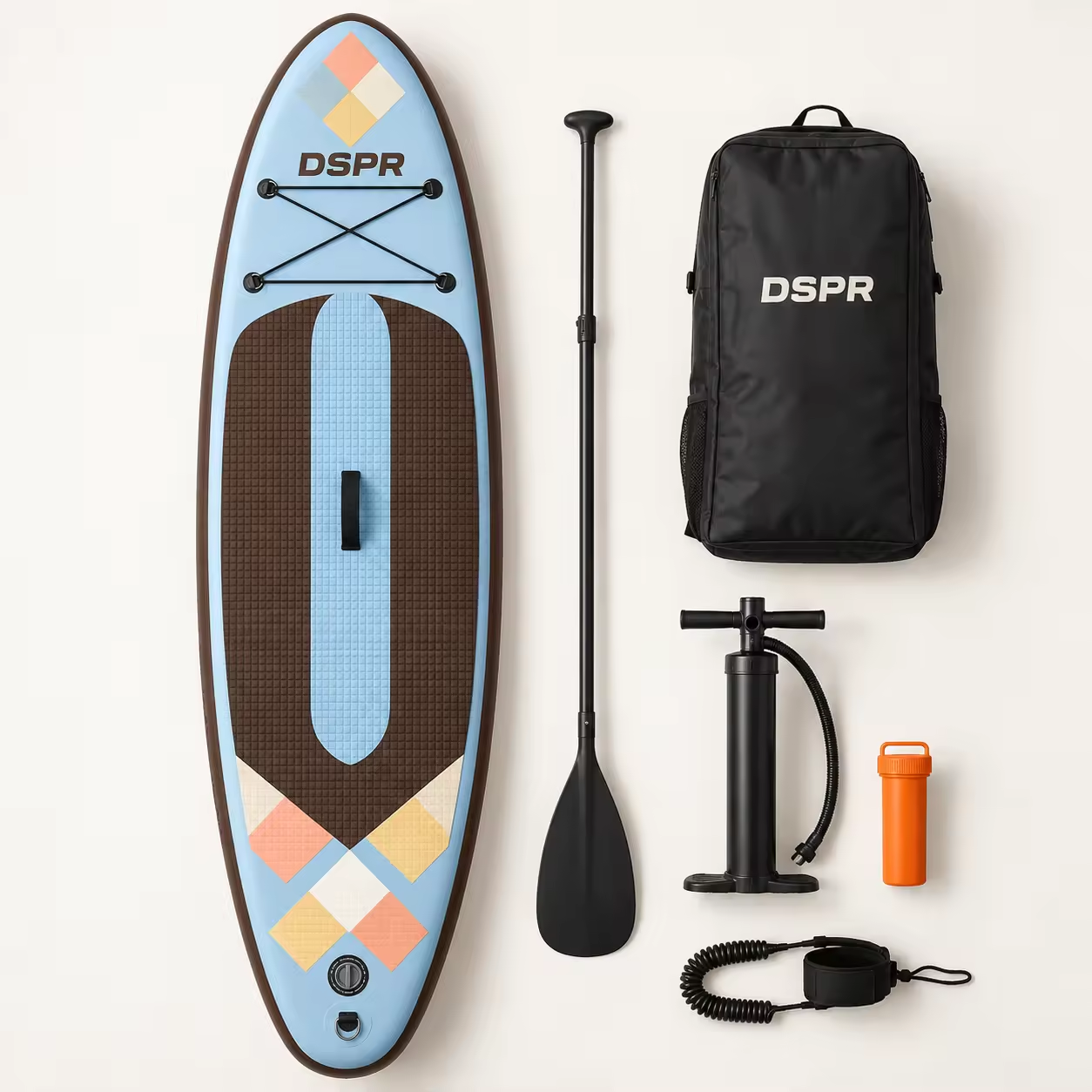
With the maturation of inflatable board technology, storage and transportation costs for paddleboards — according to RED — what had been “professional gear that demands roof racks and garage storage” transitioned into an affordable leisure item accessible to all.
At the same time, the U.S. Coast Guard officially classified it as a “vessel” and brought it under the formal regulatory framework for water sports and safety.
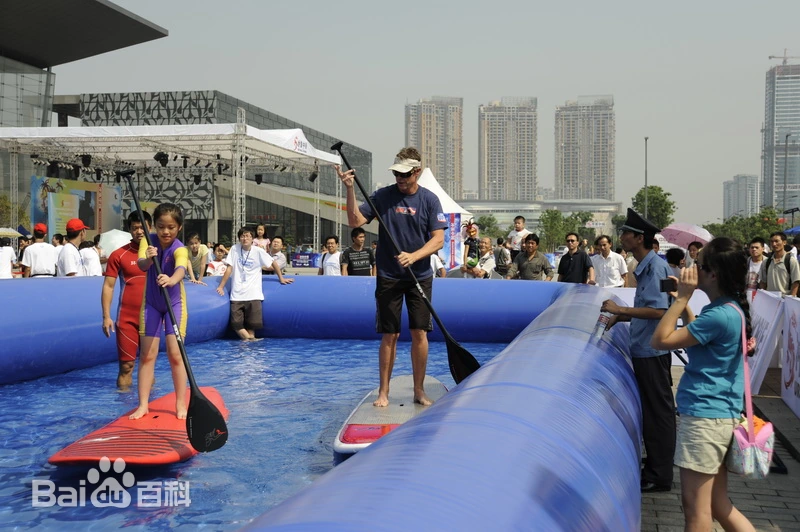
In 2009, paddleboarding was introduced to mainland China through the “Surfing China” initiative and is known to more Chinese people.

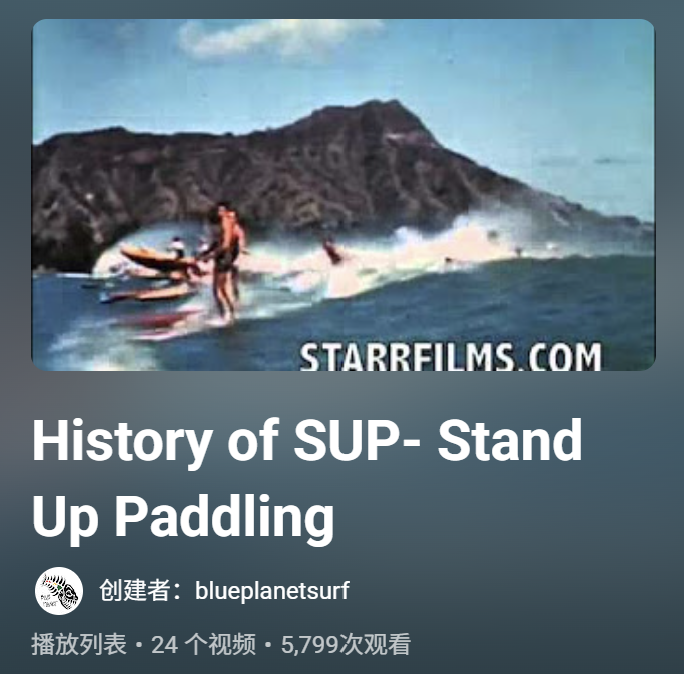
If you are interested in the history of paddleboarding, click the image left to watch the full video.

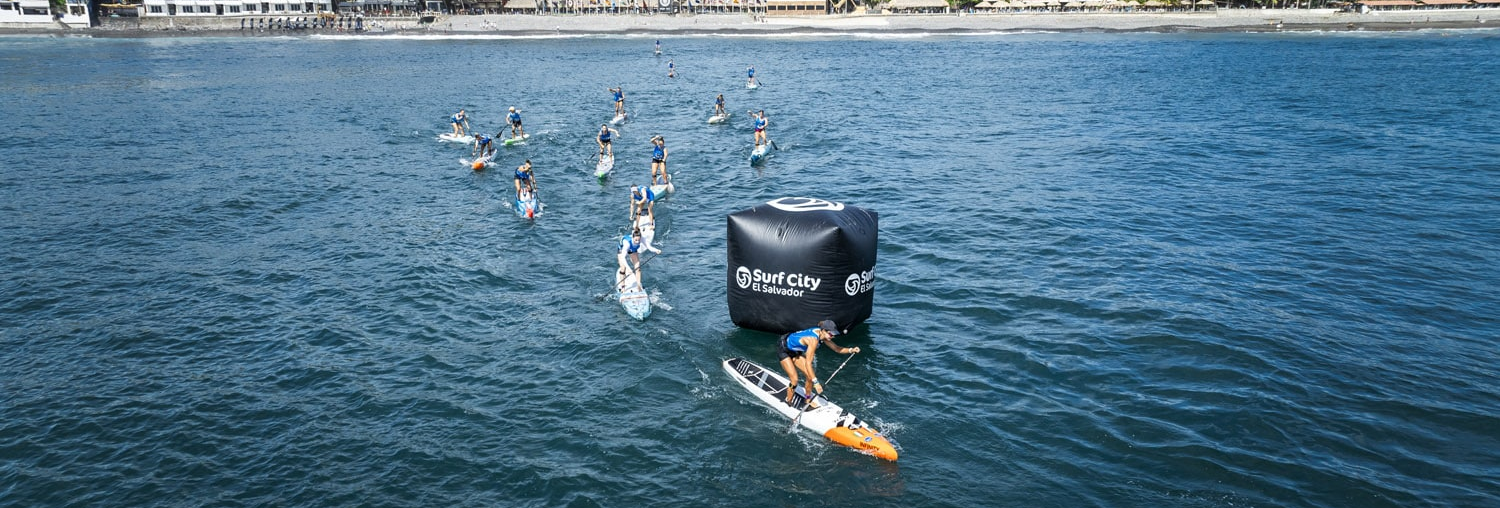
The competitive system of paddleboarding