Entering the Dojo
Follow the dojo's entry rules and bow to the training space. Place your shoes, personal belongings, and shinai as the venue requires, and avoid blocking others' paths.
 Day One Athlete
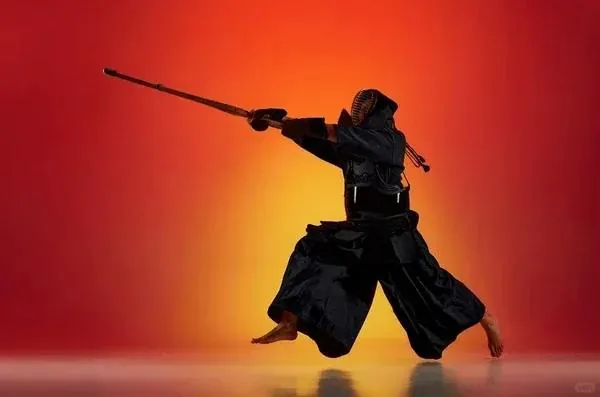
Two people stand in the center of the dojo, bamboo swords raised, steps slowly moving forward. Suddenly, a shout pierces the silence, and the swords and armor emit a crisp clash.
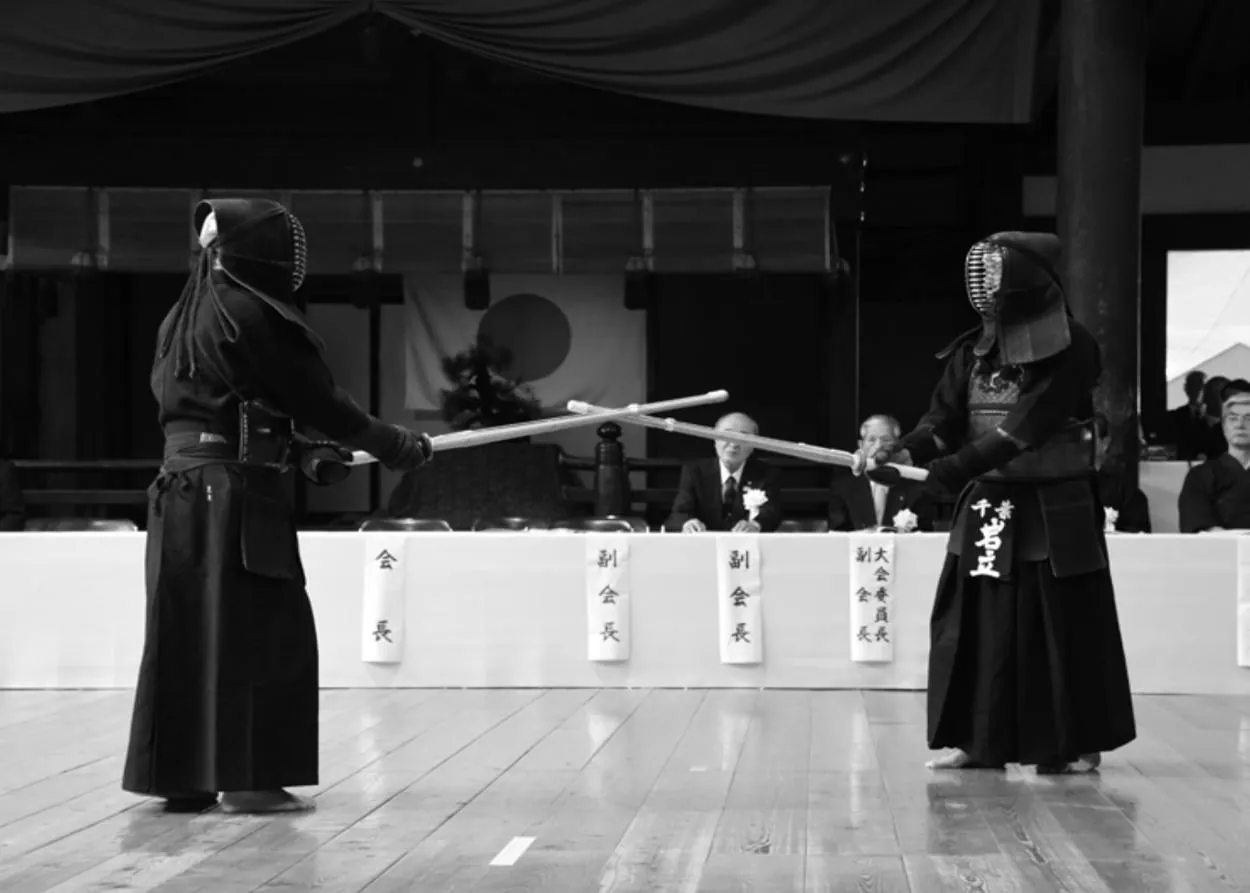
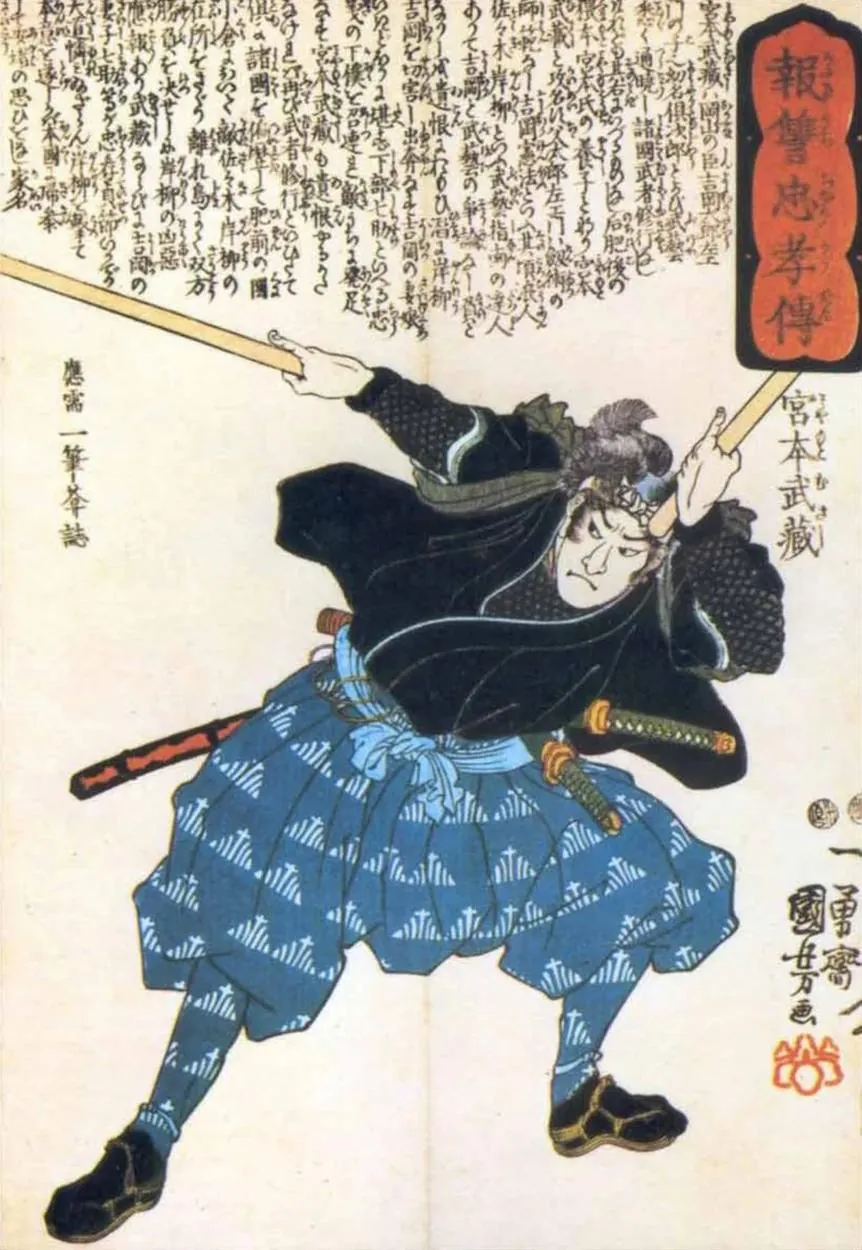
In Japanese history, the samurai were a hereditary military aristocratic class in ancient Japan. Their core duty was to fight, and the sword was both a weapon and a symbol of their identity and power.
By the Edo period, with the arrival of prolonged peace, the samurai's main responsibilities shifted toward administration and civil affairs, and the need for real sword combat dropped sharply. In order to preserve martial arts training and maintain the samurai's sense of honor and identity while ensuring safety, bamboo swords and protective gear were gradually promoted, transforming swordsmanship from killing on the battlefield into competition and spiritual discipline.
After the Meiji Restoration, although the samurai class was abolished, this safely modified swordsmanship was absorbed by the school education and police systems. Stripped of its killing function, it shifted to emphasizing discipline, etiquette, and character development, ultimately evolving into today's modern kendo.
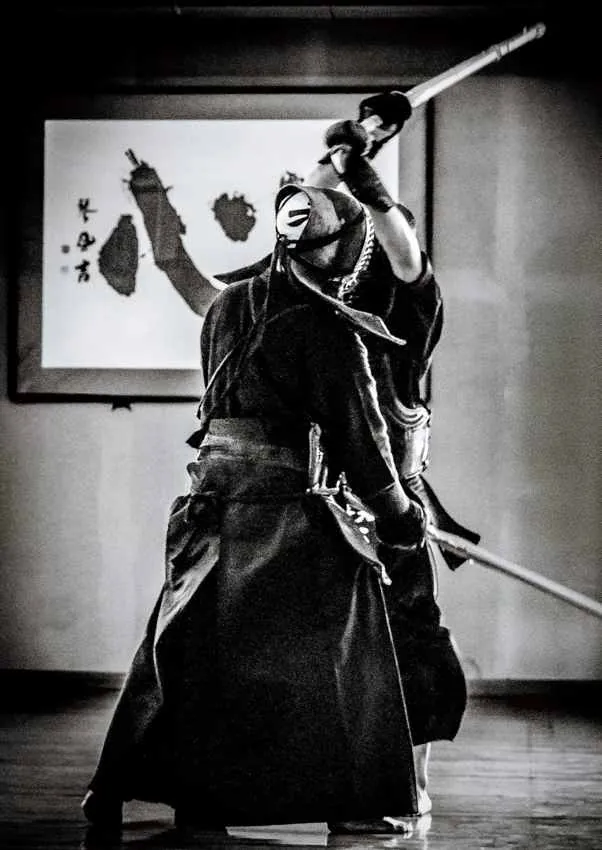
When watching a kendo match for the first time, what surprises people most is the sudden shout from the practitioner. This is called "kiai" — it expresses concentration, attacking intent, and the rhythm of movement through the voice. Kendo emphasizes "ki-ken-tai-ichi," meaning the mental state, the movement of the bamboo sword, and the movement of the body must be synchronized.
In addition, one must not relax immediately after a strike. Kendo emphasizes "zanshin": even after completing an attack, one must stay alert to the opponent and the surrounding situation.
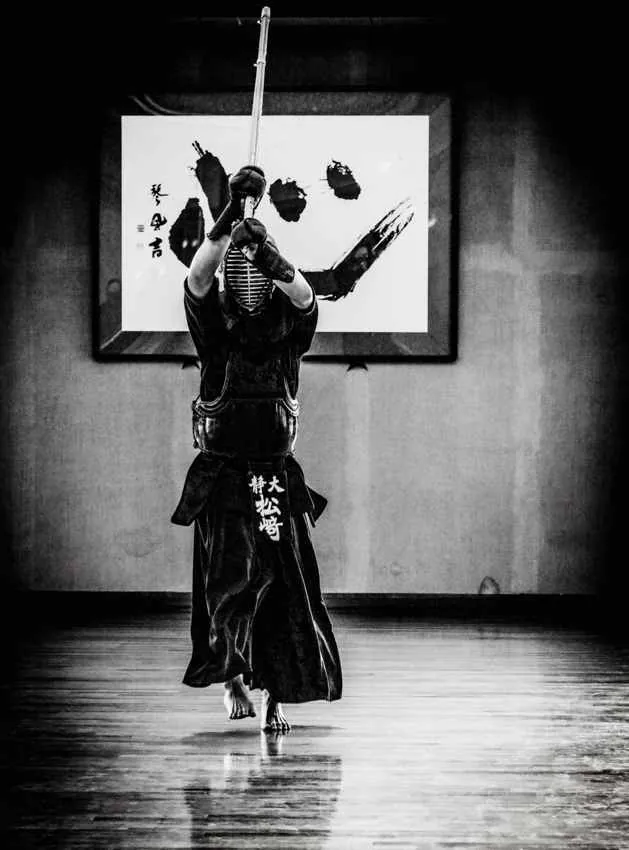
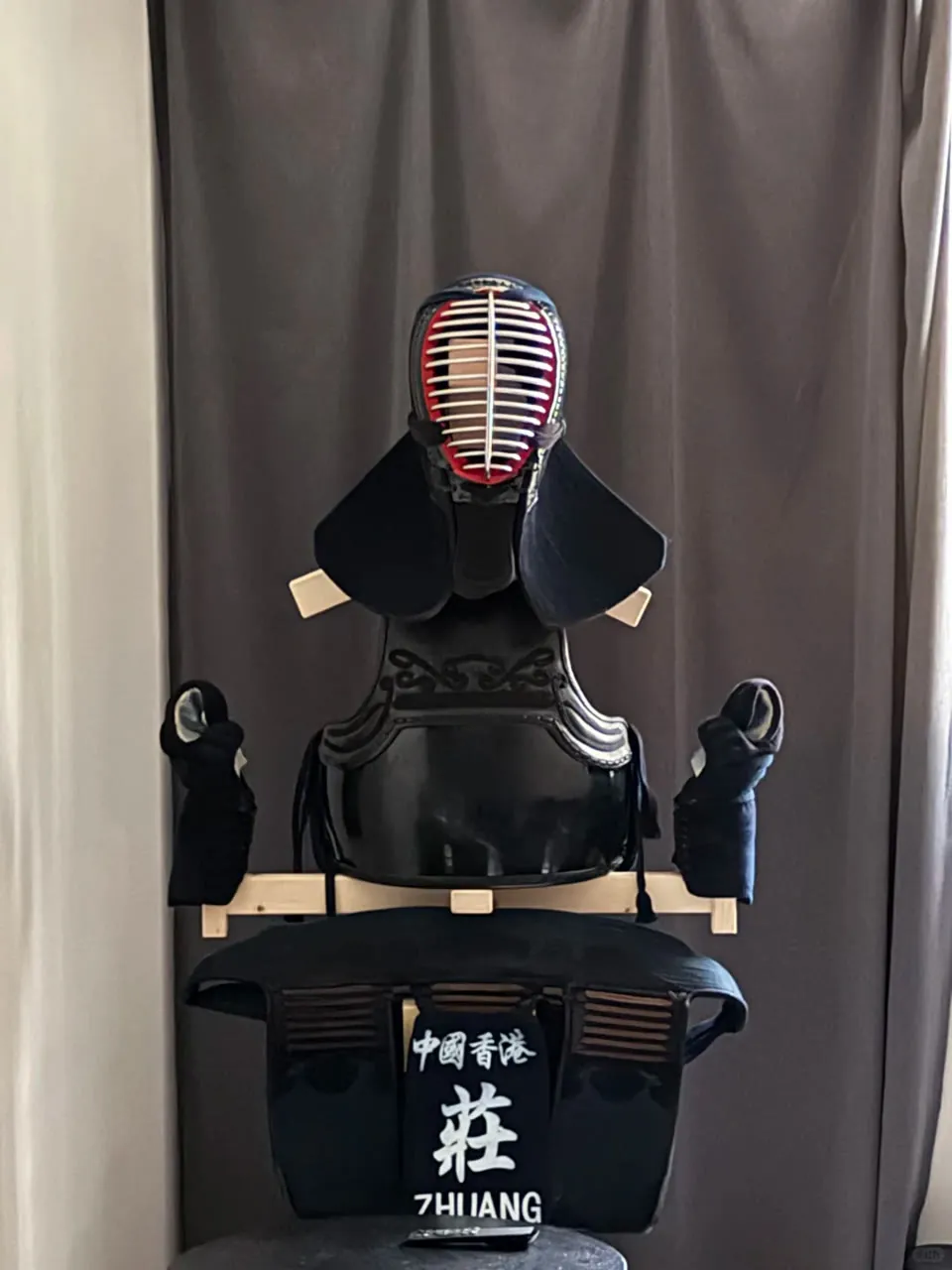
The shinai used in modern kendo is typically made of assembled bamboo slats, making it possible to conduct sparring under the protection of rules and bogu.
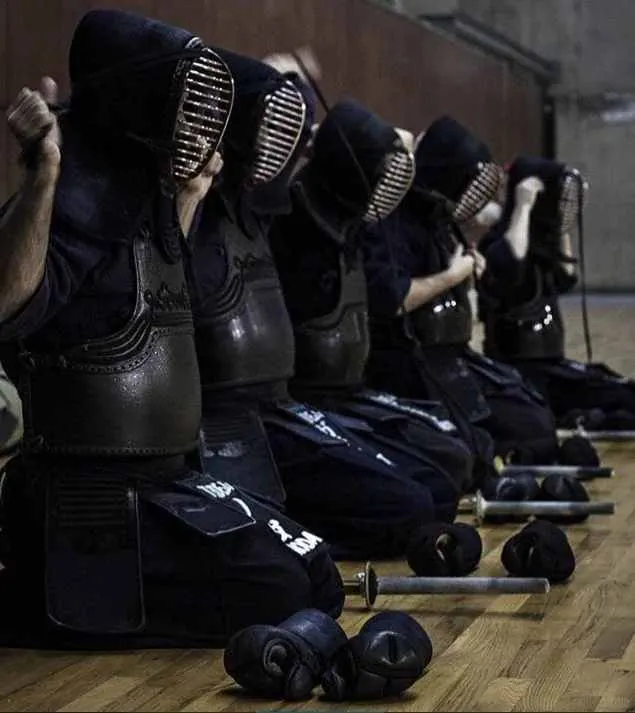
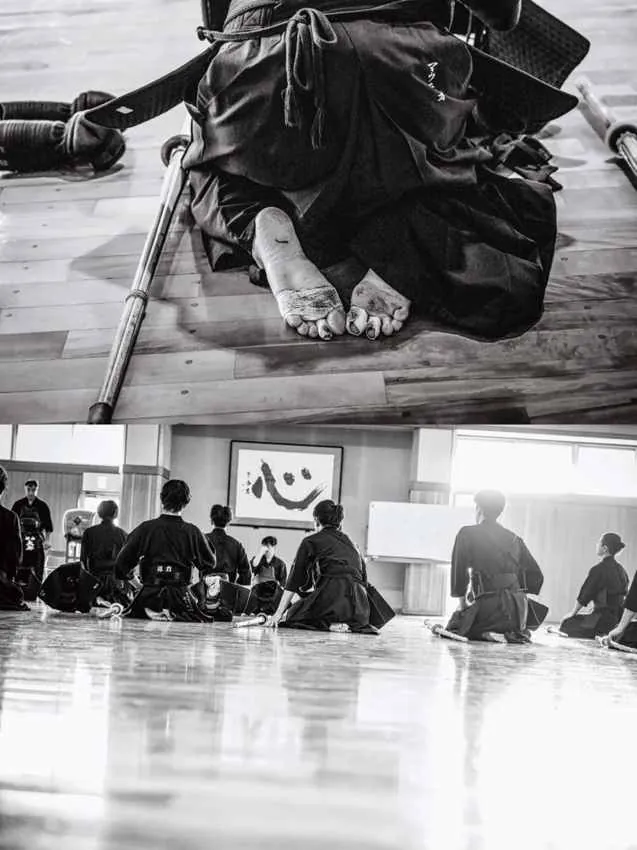
When to enter the dojo, how to bow to your teacher and opponent, when to line up and kneel, how to place the bamboo sword, and how to put away your equipment after practice.
These actions let everyone know clearly when they begin and when they end, and how to stay restrained in a sport involving physical contact and competitive pressure. They also give kendo a distinct sense of ritual.
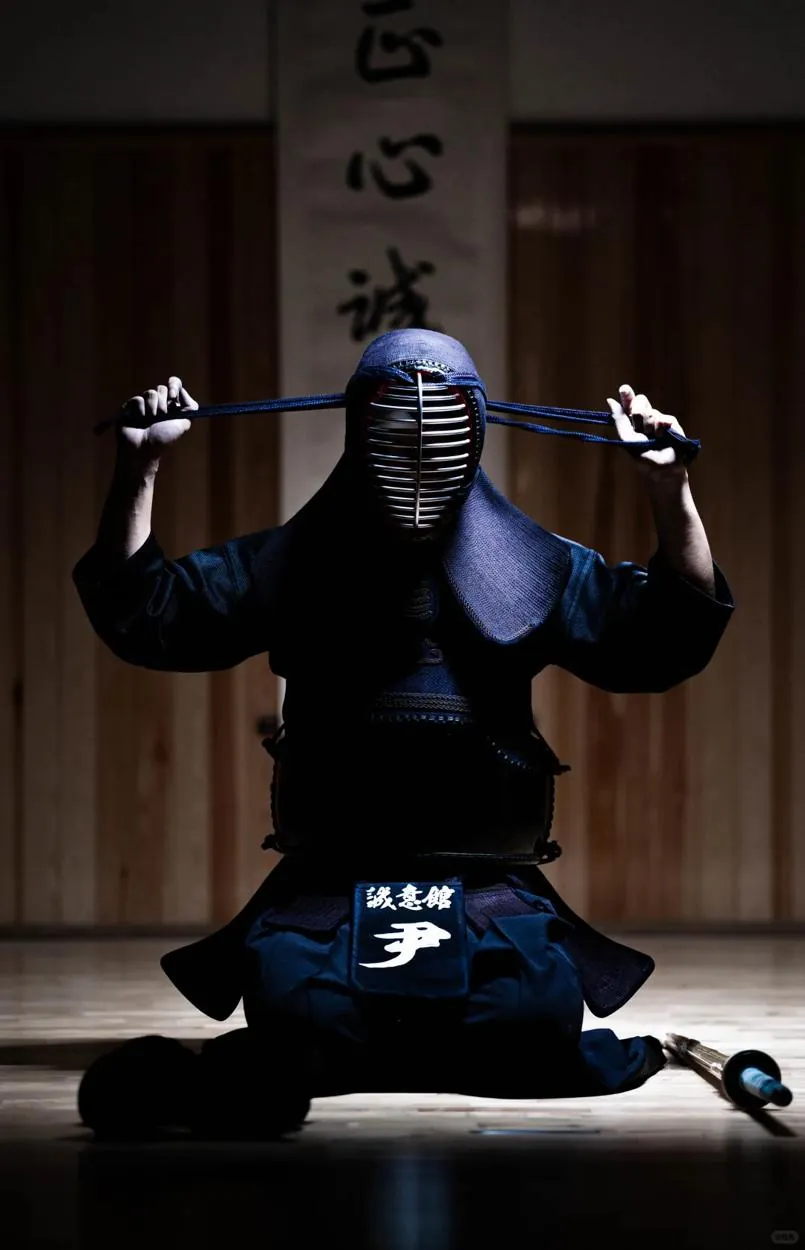
Follow the dojo's entry rules and bow to the training space. Place your shoes, personal belongings, and shinai as the venue requires, and avoid blocking others' paths.
Bowing to your partner before and after practice means you both accept the rules and safety boundaries. A strike is not a personal attack, and you should not keep striking after it ends.
Stopping, putting away your equipment, bowing, and listening to feedback are all part of a complete training session. The details of dojo etiquette may vary slightly depending on the club and the teacher.
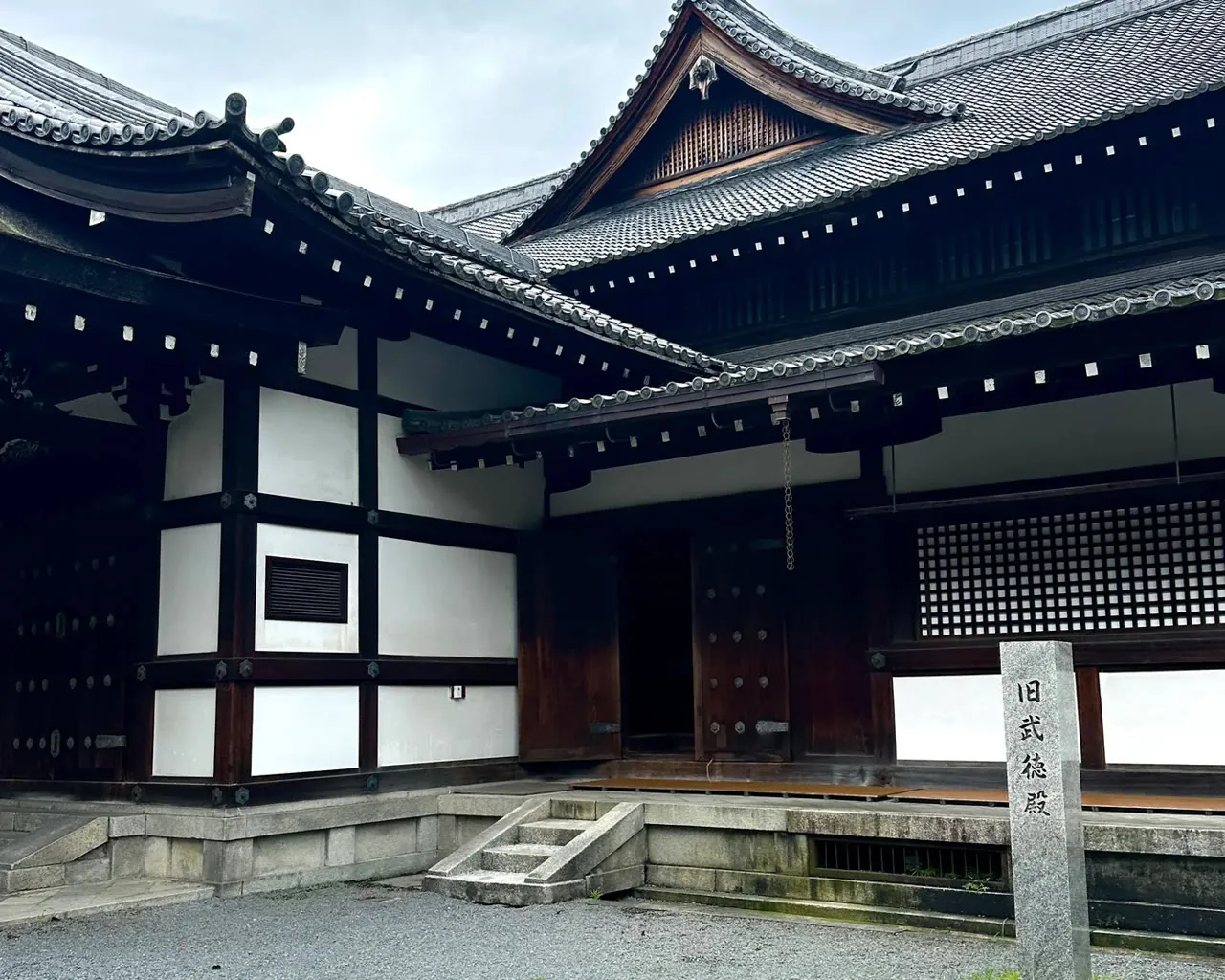
In the late Heian period, military service, land management, and samurai families in local society became increasingly intertwined. The samurai gradually became a force that could not be ignored in the power struggles among the court, the nobility, and local powers.
After the Genpei War, Yoritomo built a warrior government that managed samurai and land. The imperial court still existed, and the power balance between the two stayed complex for a long time. The start of the Kamakura Shogunate is dated either 1185 or 1192.
War needed armies, but also food, taxes, towns, and retainers. Many daimyo managed their territory through domain laws, land surveys, and administration — military and governing roles were already inseparable.
With fewer civil wars, samurai still held their status through stipends, but mainly did record-keeping, judicial, financial, security, and educational work. Pay gaps between high- and low-ranking samurai were huge — status didn't mean wealth.
During the Meiji period, the old status hierarchy and samurai privileges were gradually abolished. Some samurai became bureaucrats, soldiers, or teachers, while swordsmanship also became institutionalized in schools, the police, and sports organizations.
After winning the realm, Tokugawa Ieyasu founded the Edo shogunate, a central government run by warriors. His task: how to hold power steady and keep the daimyo and retainers in line.
The shogunate held national political authority, while each domain managed its own territory. The shogun, the daimyo, and their retainers formed a network of power and obligation, but local affairs were not all handled directly from Edo.
Many daimyo traveled between Edo and their domains under this system, keeping a residence in Edo. The scale of their processions, travel, and living costs turned political supervision into part of everyday life.
Samurai status was tied to stipends, ritual, and administrative duties. Confucianism shaped part of their political education, but practices varied by domain, and high status did not necessarily mean great wealth.
Imagine a daimyo preparing to travel from his domain to Edo: he must first arrange his retainers, weapons, and luggage, calculate food, lodging, horses, and transport costs along the way, and coordinate the order in which his procession passes through towns.
Political relationships were transformed into recurring movement, residence, and expense. A daimyo could display his status, but also had to bear the enormous organizational cost; the shogunate used this to continuously manage its relationship with the daimyo.
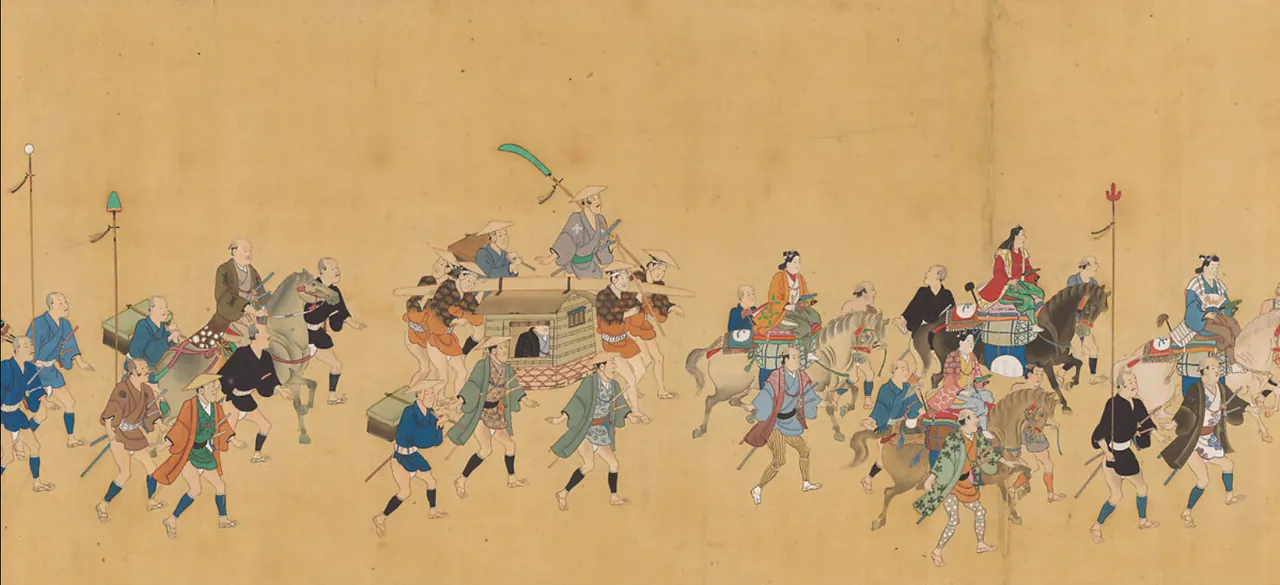
A 19th-century Edo woodblock print depicts a daimyo procession passing through the streets of a castle town. Follow the line of the procession to observe the ceremonial display, the attendants, and the streetside architecture; click on the markers in the image to see explanations for each location.
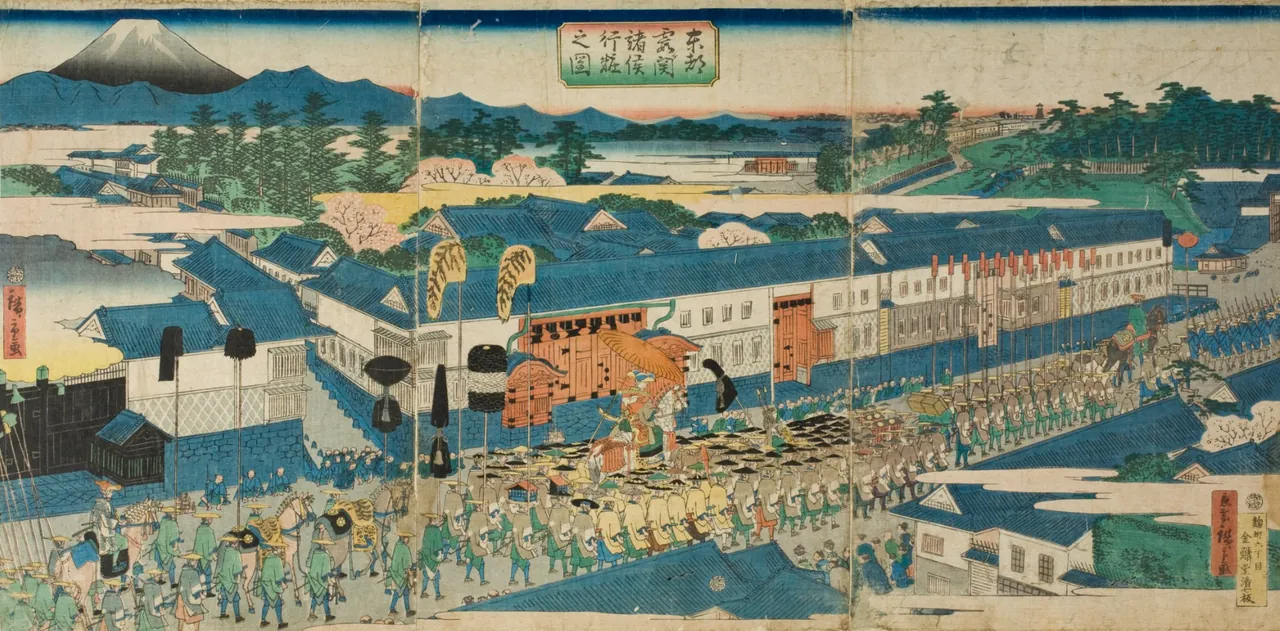
A daimyo's journey was not just his own travel — it required arranging retainers, supplies, horses, lodging, and services along the way. Sankin kōtai turned a political obligation into ongoing organizational and financial expense.
For the shogunate: Regular journeys and residence in Edo kept the daimyo in continuous contact with the central political space. Through institutions, roads, and ritual, the shogunate could oversee its relations with the daimyo without relying on frequent war.
For the daimyo: Joining the procession was a political duty and a chance to publicly display status. But travel, Edo residences, retainers, and ceremonial display consumed huge resources and strained domain finances.
For the samurai: Travel required organization, discipline, and paperwork. Samurai were not just sword-bearing guards — they also helped manage transport, supplies, finances, and personnel.
For ordinary people:The roads, post stations, and towns the procession passed through had to provide services, and transport, consumption, and daily space could all be affected. Political order thus entered the lives of ordinary people.
Edo society is often divided into the four classes of "samurai, farmers, artisans, and merchants," but great differences in rank existed within the samurai class. Merchants, though ranked low in status concepts, could hold great wealth.
Many samurai relied on stipends measured in rice to support their lives. As the commodity economy developed, some lower-ranking samurai faced debt and financial pressure. Social status, economic wealth, and actual power could not always be equated.
Sankin kōtai required daimyo to travel to Edo regularly, and the attendants, lodging, and transport all cost money. If your domain's finances were already tight, what would you prioritize?
If you've never experienced kendo before, the following can give you some guidance.
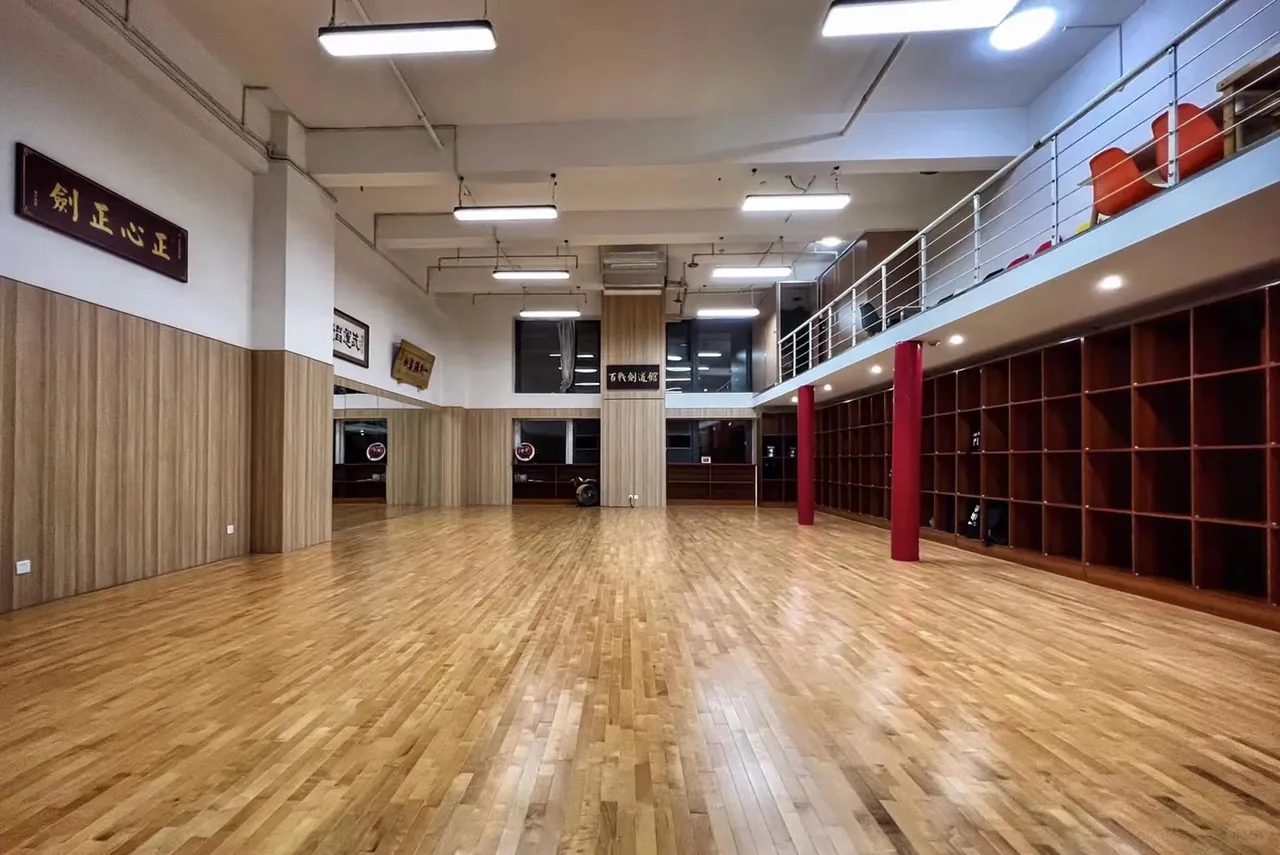
Contact the dojo first to confirm the trial session time, whether a reservation is needed, whether a shinai can be borrowed, and whether photography is allowed. Beginners can usually wear comfortable clothing for the basic trial; specific requirements depend on the instructor.
Much kendo training takes place indoors, barefoot on a wooden floor. Trim your nails, and remove any accessories that might catch on equipment beforehand. If you have old injuries or feel unwell, tell the instructor before you start. You don't need to rush out and buy a full set of expensive bogu for your first visit.
Watch how your teacher and fellow students bow, line up, and place their shinai. Listen carefully for when practice begins and ends. Don't swing your shinai freely before the instructor gives the signal.
Tip: Keep enough distance from your partner, and mind the direction of the sword tip when picking up your shinai.
Below is a selection of real kendo basics training videos. Videos can help you understand the movements, but they can't replace in-person correction from a coach.
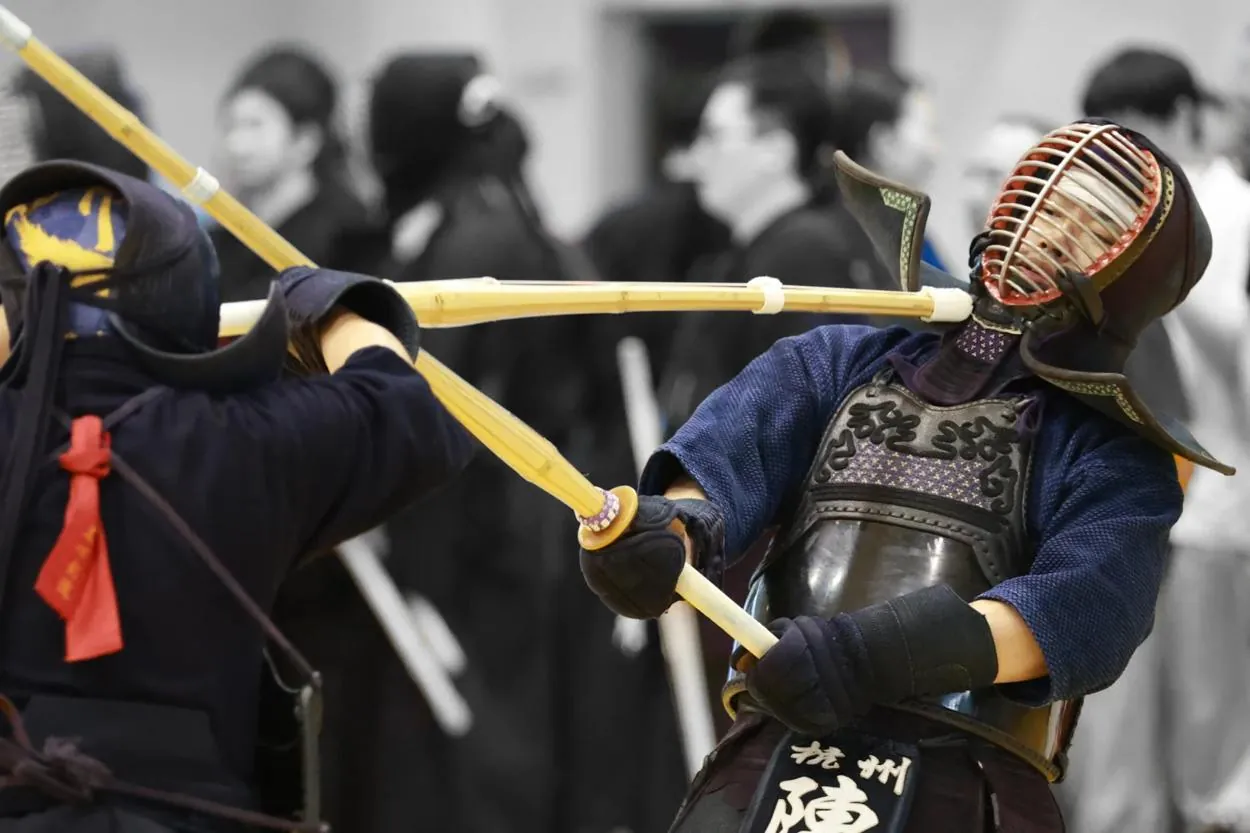
In the basic chūdan stance, keep your body naturally upright, don't raise your shoulders, and don't stiffen your knees. Find your balance first, then practice moving forward and back; don't suddenly lean forward just to reach your opponent.
Okuri-ashi (sliding footwork) usually emphasizes coordinated movement of both feet while keeping a stance you can keep moving from. Common beginner problems include taking steps that are too large, bobbing up and down, or letting the back foot lag; practice slowly at first.
Use both hands together and avoid constant stiffness in your shoulders, arms, and wrists. The path of the swing, hand power, and timing should be corrected by your instructor — don't rely on brute arm strength alone.
Kendo places great importance on maai, the distance between you and your partner. Rushing forward when the distance is wrong easily breaks your posture. First observe the position of the shinai, your partner's movement, and whether you can advance safely.
Kiai must be coordinated with body movement, the shinai's motion, and the right timing. A loud shout doesn't automatically mean a valid strike; keep your posture and attention after striking too, and understand zanshin.
Don't strike a partner at full force on your own without your instructor's permission. Watch the space around you during practice, and stop if your gear comes loose. If you're tired, in pain, or uncomfortable, speak up — don't push through an injury.
From the history of samurai society to every bow and swing in today's dojo, kendo gives ancient cultural memory new meaning through modern physical practice.